

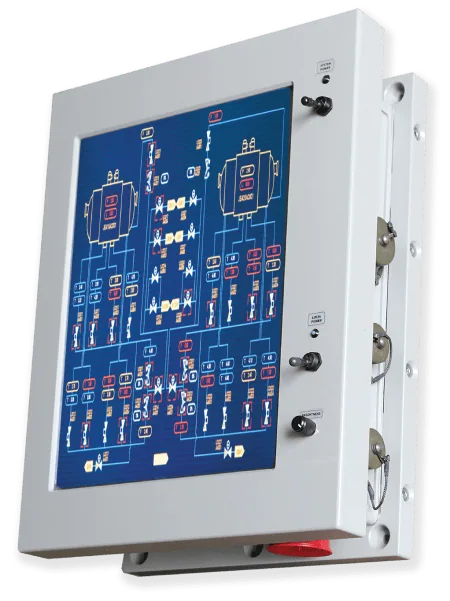
Modern military operations need military computers and electronic equipment that can handle physical impacts, harsh environmental conditions, and electromagnetic interference (EMI) from both nearby electronics and deliberate EMI attacks. Because military devices need to perform at a much higher level than commercial or consumer goods, military device manufacturers require EMI shielding solutions that meet specialized MIL-SPEC EMI shielding standards.
EMI shielding materials can be conductive or magnetic, and they can block either incoming or outgoing signals. Shielding techniques and materials are adaptable to specific military applications. Learn more about the different types of EMI shielding materials so you can select the right solution for your project.
MIL-SPEC EMI Shielding Specification Standards
MIL-SPEC standards outline the specifications that materials and components must meet to be considered safe and effective for the defense industry. These standards cover vehicles, weapons, satellites, and individual wiring assemblies, components, and subassemblies found in military equipment.
For example, under MIL-DTL-83528 (MIL-G-83528), electrically conductive gaskets must provide sufficient shielding against electromagnetic interference and radiofrequency interference (RFI). The standards establish the requirements for base materials, conductive fillers, durometer specifications, and other characteristics. Manufacturers can only label goods with the MIL-DTL-83528 certification if they meet those requirements.
MIL-SPEC EMI Shielding Materials
MIL-DTL-83528 is the only MIL-SPEC standard that establishes the requirements for military EMI shielding gasket materials. But many different material configurations can fulfill these electromagnetic compatibility (EMC) requirements. For example, some materials can reflect RFI with the help of specialty paint or vacuum metallization coatings. Others, like conductive fabrics and plastics, can absorb interference. Consider these seven types of EMI/EMC shielding materials to select the right materials for your application.
Type A
Type A materials have a silicone base and conductive filler made of silver-coated copper. They provide effective EMI shielding up to 110 decibels (dB) at 10 gigahertz (GHz). They can also provide consistent shielding at temperatures from -55 °C to 125 °C, making them a versatile option in different military conditions.
Type B
Type B materials also have a silicone base. The conductive filler is aluminum coated with silver, providing a shielding efficacy of 100 dB at 10 GHz. They have an even wider functional temperature range than Type A materials, resisting temperatures from -55 °C to 160 °C.
Type D
Type D offers a wider range of temperature resistance and can better resist harsher chemicals, fuels, and solvents. These gaskets have a fluorosilicone base with a silver-coated aluminum conductive filler. Its shielding effectiveness meets standards for 90 dB at 10 GHz. The material can withstand temperatures as low as -55 °C and as high as 160 °C. Type D gaskets are popular for aerospace applications because of their greater resistance capabilities.
Type E
Type E gaskets have a base of silicone and pure silver particles as the conductive filler. They have an effective temperature range of -45 °C to 125 °C, and they have a shielding effectiveness of 110 dB at 10 GHz.
Type K
Type K gasket materials feature a silicone base and a conductive filler of copper coated with silver. They can resist temperatures as low as -55 °C and as high as 125 °C, and they shield EMI at up to 110 dB at 10 GHz. While they have a similar composition, temperature resistance level, and EMI resistance level as Type A gaskets, Type K gaskets are much harder at 85 shore A. As gaskets get harder, they offer better durability and stability, greater resistance to pressure damage, and a lower likelihood of extrusion.
Type L
Type L gaskets have a silicone base and conductive filler of nickel coated with silver. These gaskets work well in temperatures between -55 °C and 125 °C, with a shielding efficacy of up to 100 dB at 10 GHz.
Type M
Type M gaskets have a silicone base and a conductive filler of silver-covered glass. They have a wide temperature range of -55 °C to 160 °C and can act as an effective EMI shielding material against 100 dB at 10 GHz.
Trust Daisy Data Displays for EMI Shielded Military Computers and Displays
Having MIL-SPEC-compliant EMI shielding gaskets is essential in modern warfare. These components help protect compact, sensitive electrical assemblies from noise and interference, providing a reliable defense against weaponized EMI and RFI. At Daisy Data Displays, we use MIL-SPEC-compliant EMI shielding materials to develop the following types of rugged technologies for the aerospace and defense industries:
- Computers
- Keyboards
- Industrial monitors
- Purge controls
- Workstations
- Accessories
With more than 40 years of industry experience, our company has supplied thousands of products to various military programs deployed around the world. Daisy Data Displays is audited by the Defense Contract Management Agency (DCMA) to guarantee we can deliver fully compliant solutions on time and within budget. All of our industrial computers are manufactured in the U.S. from our ISO 9001:2015 certified facility.
Contact us or request a quote to get started on your solution.